Understanding the Path Forward for Your Child

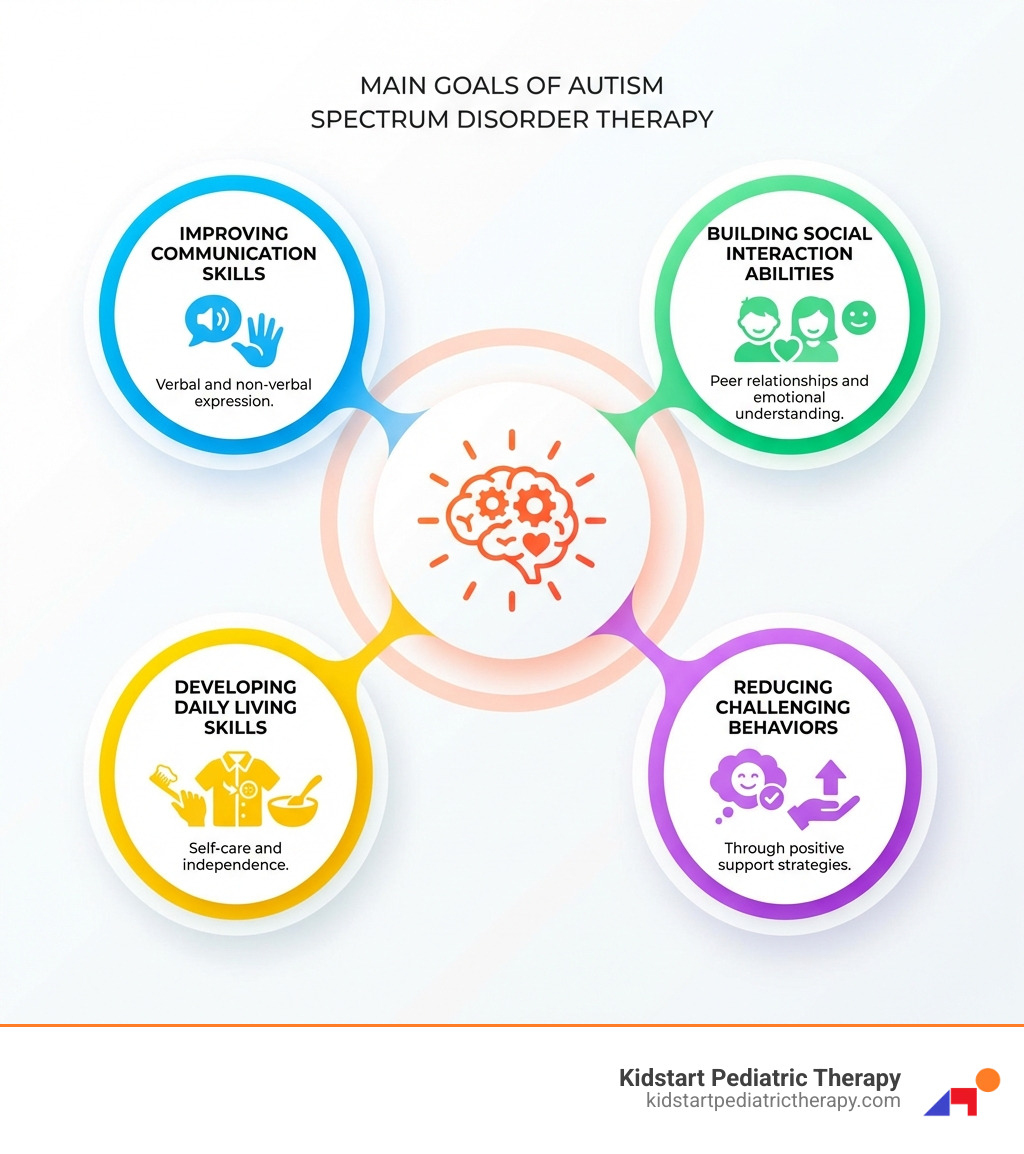
Autism spectrum disorder therapy is designed to support children in developing communication, social interaction, daily living skills, and emotional regulation while reducing challenging behaviors. Effective therapy is personalized, evidence-based, and often involves a combination of approaches including:
- Applied Behavior Analysis (ABA) – Uses positive reinforcement and structured teaching to build skills
- Speech-Language Therapy – Improves verbal and non-verbal communication
- Occupational Therapy (OT) – Develops daily living skills, fine motor abilities, and sensory processing
- Social Skills Training – Teaches peer interaction, conversation, and emotional understanding
- Early Intervention Programs – Combines multiple therapies for children under 5 years old
There is no one-size-fits-all treatment for autism spectrum disorder. The most effective interventions are highly individualized, start early, and involve families in the process. Research consistently shows that early diagnosis and intervention—ideally during the preschool years or before—lead to the most significant improvements in symptoms and long-term skills.
Many parents feel overwhelmed when first exploring therapy options for their child. You may have questions about where to start, which therapies are truly effective, or how to access services in your community. The good news is that well-designed interventions can make a meaningful difference at any age, though earlier is generally better.
The goal of autism spectrum disorder therapy isn’t to “cure” autism—it’s to help your child maximize their abilities, build independence, and improve their quality of life. A key part of this is Understanding Autism Behavior in Children, as therapy should focus on your child’s specific needs and strengths, not just a diagnostic label. With the right support, children with ASD can learn critical skills that help them thrive at home, in school, and in their communities.
I’m Shawn Chuang, and through my work at KidStart Pediatric Therapy, I’ve dedicated my career to developing integrated approaches to autism spectrum disorder therapy that combine evidence-based practices with individualized, family-centered care. Our Therapy-Integrated Learning Program (TILP) reflects years of clinical experience in helping children with ASD build foundational skills through collaborative, holistic intervention.
The First Steps: Early Diagnosis and Intervention
When we talk about autism spectrum disorder therapy, the journey often begins long before a formal diagnosis is made. As parents, you’re usually the first to notice if your child isn’t meeting typical developmental milestones. These early observations are incredibly important. Your child’s healthcare professional, such as a pediatrician, will look for signs of developmental delays at regular well-child checkups. If concerns arise, they’ll likely refer you to specialists for a comprehensive evaluation.
It’s crucial to remember that there isn’t one single medical test to diagnose autism spectrum disorder. Instead, diagnosis involves a thorough process, including observation of your child, developmental and behavioral testing, structured social and communication interactions, and input from various specialists like child psychiatrists, psychologists, pediatric neurologists, or developmental pediatricians. Sometimes, genetic testing may also be part of the evaluation.
The importance of early diagnosis and intervention cannot be overstated. Research consistently shows that starting interventions during the preschool years or even earlier, before a formal diagnosis, is more likely to have major positive effects on symptoms and later skills. This early window is critical for developing foundational skills. As we often tell families in Burnaby, Coquitlam, and across Greater Vancouver, if you have concerns about your child’s development, seek evaluation promptly. You don’t need a formal ASD diagnosis to begin many types of therapy, and starting therapy while waiting for a diagnosis can be incredibly beneficial, especially given potential wait times.
At KidStart Pediatric Therapy, we emphasize that early diagnosis, coupled with swift and effective intervention, is paramount to achieving the best possible outcomes for your child. Many individuals with ASD benefit significantly from treatment, regardless of their age at diagnosis. However, early intensive behavioral analysis over extended periods has been associated with improvements in cognitive functioning and language skills. We dig deeper into this in our article on Pediatric Occupational Therapy and Early Intervention for Kids with Autism and Developmental Delays. For more information on understanding ASD, you can also refer to A parent’s guide to autism spectrum disorder from the NIMH. The Centers for Disease Control and Prevention also highlight the significance of early intervention, noting that it can lead to improved outcomes. For more detailed research on early intervention, you can explore reports like this research on early intervention.
Core Evidence-Based Autism Spectrum Disorder Therapy Approaches
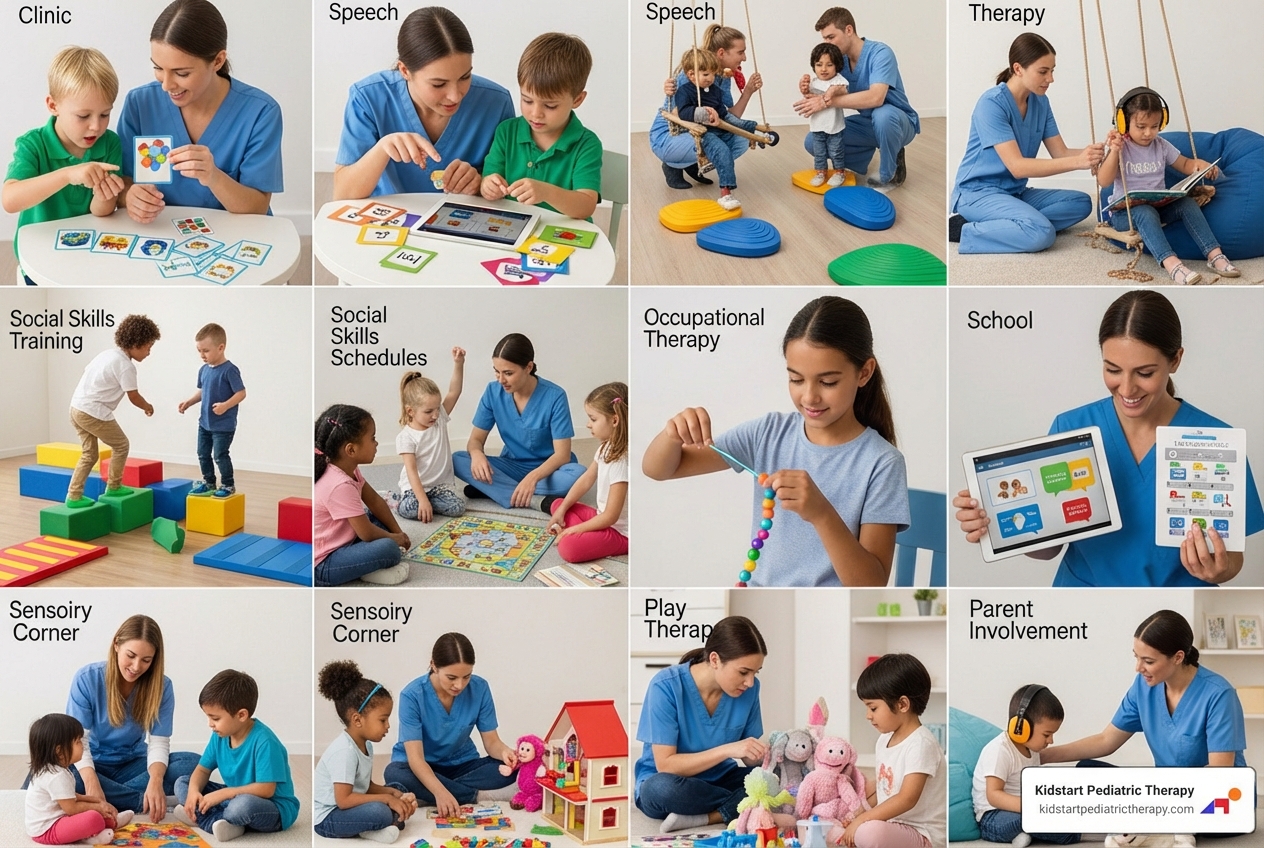
Choosing the right autism spectrum disorder therapy can feel like navigating a maze, but the guiding principle is clear: focus on evidence-based approaches. This means selecting therapies that have been scientifically proven to be effective. While many enjoyable activities, like horseback riding or swimming, can be beneficial for overall well-being, they won’t directly impact the core features of autism in the same way evidence-based therapies do.
We know that no single “cure” exists for ASD, and no one-size-fits-all treatment. Instead, the most effective therapies are highly individualized and often involve a combination of approaches custom to your child’s specific needs, strengths, and challenges. Most people with ASD respond best to highly structured and specialized programs. At KidStart Pediatric Therapy, we pride ourselves on offering a holistic, integrated approach, combining the expertise of our highly qualified and certified therapists to create personalized programs that support your child’s full potential. The CDC provides a helpful overview of treatment options for ASD.
Applied Behavior Analysis (ABA) Principles in Therapy
Applied Behavior Analysis (ABA) is widely recognized as a cornerstone of autism spectrum disorder therapy, with extensive evidence supporting its effectiveness. ABA uses principles of learning and motivation to teach new skills and reduce challenging behaviors. The core idea is positive reinforcement: when a desired behavior is followed by a reward, that behavior is more likely to be repeated.
In practice, ABA therapy involves breaking down complex skills into smaller, manageable steps. Therapists then teach these steps systematically, providing prompts and rewards, gradually fading them out as the child masters the skill. This data-driven approach allows us to track progress and adjust strategies as needed. Key ABA-based interventions include:
- Discrete Trial Training (DTT): This highly structured method involves teaching skills in a one-on-one setting, often at a table, using clear instructions, consistent prompts, and immediate rewards.
- Pivotal Response Training (PRT): PRT is more naturalistic, taking place in the child’s environment and focusing on “pivotal” skills like motivation, self-initiation, and responsiveness to multiple cues, which can lead to improvements in many other areas.
- Early Intensive Behavioral Intervention (EIBI): Often implemented for very young children (under 5), EIBI typically involves a high intensity of therapy hours (e.g., 15-40 hours per week) and has been shown to lead to significant improvements in cognitive functioning and language skills for some children.
At KidStart Pediatric Therapy, our ABA strategies are practical, play-based, and naturalistic, integrating into your child’s everyday routines and interests. This approach makes learning fun and engaging, fostering skills that generalize across different settings. To learn more about how we apply these principles, explore More about ABA-based approaches.
Developmental and Relational Therapies
Beyond ABA, a range of developmental and relational therapies play a crucial role in a comprehensive autism spectrum disorder therapy plan. These approaches often focus on improving specific developmental skills or fostering broader social-emotional growth, and they frequently complement behavioral interventions.
- Naturalistic Developmental Behavioral Interventions (NDBIs): This is a term describing behavioral interventions delivered in a child’s natural environment, often involving parents or caregivers. NDBIs, such as the Early Start Denver Model (ESDM), blend structured teaching with child-led play, focusing on joint attention, communication, and social engagement. You can find more information on Naturalistic Developmental Behavioral Interventions.
- Speech-Language Therapy: Communication challenges are a hallmark of ASD, making speech-language therapy a vital component. Our speech pathologists in Vancouver, Burnaby, and Coquitlam work with children to improve both verbal and non-verbal communication skills. This includes teaching how to express needs and wants, engage in conversations, and understand social cues. For non-verbal children, we explore Augmentative and Alternative Communication (AAC) methods, such as picture exchange systems or electronic communication devices. Our article, Why Vancouver Speech Pathologists Are Critical for Children with Autism and Developmental Delays, explains more.
- Occupational Therapy (OT): Occupational therapy helps children with ASD develop the skills needed for daily living and participation in meaningful activities. Our occupational therapists in Burnaby, Coquitlam, and Greater Vancouver address:
- Self-Care Skills: Dressing, eating independently, hygiene, and toileting.
- Fine Motor Skills: Grasping, handwriting, dexterity, and manipulating small objects.
- Gross Motor Skills: Coordination, balance, strength, and body awareness.
- Sensory Integration: Many children with ASD experience sensory sensitivities. Our OTs use a sensory-based framework to help children process sensory input more effectively, reducing overwhelm and improving self-regulation. Jessica Cheung, one of our Registered Autism Service Providers (RASP), is trained in various sensory integration techniques like Therapeutic Listening® and Brain Gym®. You can explore our services for Occupational Therapy for Autism in Burnaby.
- Physical Therapy (PT): While not always a primary focus, physical therapy can be beneficial for children with ASD who have motor skill delays or challenges with coordination and balance. PT helps improve gross motor skills, such as walking, running, and jumping, contributing to overall physical independence and participation in play.
Social-Relational and Psychological Autism Spectrum Disorder Therapy

For many individuals with ASD, social interaction can be a source of confusion or anxiety. Social-relational and psychological therapies are crucial elements of autism spectrum disorder therapy that focus on building social understanding and emotional regulation.
- Social Skills Training: This therapy provides structured opportunities for children to learn and practice essential social skills. Our therapists help children understand concepts like turn-taking, sharing, interpreting body language, and initiating conversations. Social skills groups are particularly effective, offering a safe environment to practice these interactions with peers. Research indicates that social skills interventions can have positive effects on social behaviors for older children. We discuss this further in our article on Social Skills Training Autism Anxiety.
- Cognitive Behavioral Therapy (CBT): While not directly treating the core symptoms of ASD, CBT is highly effective in managing associated conditions like anxiety, obsessive behaviors, or depression, which are common in older children and teens with ASD. CBT helps individuals identify unhelpful thought patterns and replace them with healthier coping strategies. Studies show that CBT can lead to significant improvements in anxiety for older children with ASD who have an IQ of 70 or higher. This therapy helps individuals learn the connections between their thoughts, feelings, and behaviors, empowering them to react to situations in more constructive ways.
At KidStart Pediatric Therapy, we understand that supporting emotional regulation and developing coping skills are key to a child’s overall well-being. Our therapists integrate strategies like Zones of Regulation and executive functioning training to help children manage their emotions and steer social complexities.
Navigating Your Child’s Treatment Journey
Starting on a autism spectrum disorder therapy journey for your child can feel like a significant undertaking, but you don’t have to do it alone. A cornerstone of effective therapy is strong collaboration and team-based care. This means that therapists, educators, and family members work together, sharing insights and reinforcing skills across different environments.
Family involvement is not just encouraged; it’s crucial. When parents and caregivers are actively engaged in the therapy process, reinforcing skills learned in sessions at home, the child’s progress is often more significant and long-lasting. At KidStart Pediatric Therapy, we believe in this holistic, integrated approach, ensuring that therapy goals are individualized, achievable, and meaningful to both your child and your family. We regularly reassess your child’s needs and progress, adapting our strategies to support their evolving development.
How to Choose the Right Autism Spectrum Disorder Therapy
Choosing the right autism spectrum disorder therapy for your child is one of the most important decisions you’ll make. It requires careful consideration of several factors:
- Professional Assessment: Start with a comprehensive assessment by qualified professionals. This helps identify your child’s unique strengths, specific challenges, and areas where support is most needed.
- Individual Needs and Goals: There’s no single “best” therapy. The most effective approach is custom to your child. Look for programs that develop individualized plans with clear, measurable goals.
- Family Values and Preferences: Your family’s values and lifestyle should be factored into the decision. A therapy that aligns with your family’s daily routines and beliefs will be easier to implement consistently.
- Provider Qualifications: Ensure your therapists are highly qualified, certified, and experienced in working with children with ASD. Look for credentials like Registered Autism Service Provider (RASP) in British Columbia.
- Research Local Options: Explore therapy providers in your area, such as those offering Therapy for Children with Autism in Metrotown or other communities in Greater Vancouver.
Here are some questions we recommend asking a potential therapist or clinic:
- What is your experience and training specifically with autism spectrum disorder therapy?
- How do you assess my child’s needs and develop an individualized treatment plan?
- What evidence supports the therapies you use?
- How do you involve families in the therapy process?
- How do you measure progress, and how often will we review goals?
- What is the typical duration and frequency of therapy sessions?
- How do you collaborate with other professionals, like teachers or other therapists?
For further guidance, resources like Autism Interventions from the National Autism Center provide valuable insights into evidence-based practices.
The Role of School-Based Support and Collaboration
Education plays a significant role in the overall autism spectrum disorder therapy plan. In British Columbia, public schools offer support and services to students with ASD. This often includes educational therapies and the development of an Individualized Education Plan (IEP). An IEP is a custom plan that outlines specific educational goals and supports designed to meet your child’s unique learning needs within the school environment.
An IEP might include:
- Low student-to-teacher ratios.
- Supported opportunities for interacting with peers.
- Access to various therapies like occupational, speech, and behavioral therapy delivered within the school setting.
Effective collaboration between your child’s private therapy providers (like us at KidStart Pediatric Therapy) and their school team is essential. This ensures consistency in strategies and goals, helping your child generalize learned skills from the clinic or home to the classroom. Resources like Autism in Education resources can provide more context on these supports.
Overcoming Challenges and Finding Resources
The journey of autism spectrum disorder therapy can present its challenges, from navigating waitlists to understanding funding options. We recognize that accessing services can be complex, often involving paperwork and potential delays. That’s why we encourage families to stay organized and seek help from professionals who can guide them.
In British Columbia, several funding options can help families access therapy services:
- Private/Extended Benefits: Many families use their private health insurance plans. We can help you understand how to best use these benefits.
- Charity Funding: Organizations like CKNW Kid’s Fund and Variety Children’s Charity provide grants for therapy services. We are happy to provide letters of support for your charity applications following your child’s assessment.
- Autism Funding (AFU): For eligible clients, we can assist with the provincial Autism Funding Unit (AFU) process, including providing the necessary RTP form for you to complete and submit.
- At Home Program (AHP) Funding: For children aged 5 and older who meet the criteria, we can help submit a Request for School-Age Extended Therapies form, complete with occupational therapy goals, to access AHP funding.
- Home School Funding: If your child participates in a home school program, specific funding may be available for occupational therapy services.
Beyond financial concerns, family stress and caregiver burnout are real challenges. It’s vital to prioritize self-care and your family’s well-being. Connecting with other families who are on a similar journey can provide invaluable emotional support and practical advice. Organizations like AIDE Canada national autism network and the Autism Speaks Family Services Resources guide can connect you with local support networks and resources in your area.
Frequently Asked Questions about Autism Spectrum Disorder Therapy
Navigating autism spectrum disorder therapy often brings up common questions. We’re here to provide clear, concise answers.
What is the most effective therapy for autism?
There isn’t a single “most effective” therapy that applies to every individual with ASD. The key is a personalized, integrated approach. However, research consistently points to early intensive behavioral interventions, such as those based on Applied Behavior Analysis (ABA), as having a strong evidence base for improving cognitive functioning, language skills, and adaptive behaviors, particularly when started early and delivered with high intensity.
Beyond ABA, comprehensive programs that combine different therapies—like occupational therapy for daily living skills and sensory processing, speech-language therapy for communication, and social skills training for peer interactions—are often highly effective. For specific challenges like anxiety, Cognitive Behavioral Therapy (CBT) has shown significant positive results in older children with ASD. The effectiveness truly depends on matching the right therapies to your child’s unique profile of strengths and needs.
How many hours of therapy does a child with autism need?
The recommended number of therapy hours varies significantly based on the child’s individual needs, age, and the type of therapy. For early intensive behavioral intervention (EIBI) programs, recommendations can range from 15 to 40 hours per week. Other therapies, such as speech-language therapy, occupational therapy, or social skills training, might be recommended for 1 to 3 hours per week each, depending on the child’s specific goals.
While intensity can be beneficial, the focus should always be on the quality, consistency, and integration of therapy rather than just the sheer quantity of hours. A well-designed, individualized program that involves active family participation and generalization of skills across environments will always yield better results than high hours of poorly matched or inconsistent therapy.
Can autism be cured with therapy?
No, autism spectrum disorder is a lifelong neurodevelopmental difference, and there is currently no known “cure” for autism. The goal of autism spectrum disorder therapy is not to eliminate autism, but rather to reduce challenges, build essential skills, and significantly improve an individual’s quality of life.
Therapy aims to help children with ASD develop their communication, social, adaptive, and emotional regulation skills, enabling them to reach their full potential and participate more fully in their families, schools, and communities. With consistent and appropriate therapy, many individuals with ASD learn to steer the world effectively, build meaningful relationships, and lead fulfilling lives.
Conclusion
The journey with autism spectrum disorder therapy is a unique and evolving path for every child and family. As we’ve explored, the primary goals are to foster communication, improve social interactions, develop daily living skills, and support emotional regulation, all while celebrating your child’s individual strengths.
The consistent message from research and clinical experience is clear: early and consistent intervention, coupled with a personalized, holistic plan, offers the most promising outcomes. We’ve seen how an integrated approach, drawing from evidence-based practices in ABA, speech, occupational, and social skills therapies, can empower children to thrive.
At KidStart Pediatric Therapy, we are dedicated to providing compassionate, personalized pediatric occupational, speech, and behavior therapy across Burnaby, Coquitlam, and Greater Vancouver. Our commitment to a holistic, integrated approach ensures that we partner with you to help your child reach their full potential. If you’re looking for support and expertise, we invite you to find a qualified occupational therapist in Greater Vancouver with us.