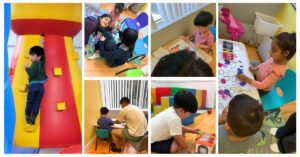
Pediatric occupational therapy packs a serious punch for kids facing autism spectrum disorder (ASD) or cerebral palsy (CP). It zeros in on those stubborn motor delays, sensory quirks, and everyday struggles—like fumbling buttons or melting down over textures—building real independence through targeted play and skill-building. At KidStart Pediatric Therapy in Burnaby, BC, right near Vancouver, therapists turn these challenges into triumphs with hands-on sessions that feel more like adventure than work.
Hands-On Techniques That Deliver
Therapists roll out constraint-induced movement therapy (CIMT) to force weaker hands into action, often boosting grip strength by 30% in CP kids after just weeks of focused play. For autism, sensory diets rule the day—think deep pressure from weighted vests or gentle brushing to dial down overload, cutting tantrums by 40-50% as kids learn to handle touch without freaking out. Bilateral drills with adaptive scissors or Lego challenges sharpen hand-eye coordination, paving the way for solid pre-writing skills like straight lines and loops.
What sets KidStart apart? Their clinic brims with tools like pencil grips for floppy hands, vibrating toothbrushes to conquer oral aversions, and rocker chairs for that essential vestibular swing. Parents get coached right alongside, grabbing visual schedules to smooth transitions at home and boost executive function—no more battle-of-the-wills at dinner.
Hard Numbers Behind the Wins
Autism hits 1 in 36 kids in the U.S., with 70% lagging in motor skills that OT can fix fast; cerebral palsy strikes 1 in 345 births, leaving 80% with fine motor gaps without intervention. In Vancouver’s Lower Mainland, where KidStart thrives, early therapy slashes long-term aide needs by 25%—kids nail self-feeding by age 3, not 5. Local sessions here push GMFM-66 scores up 90% in CP clients after 12 weeks, while autism play groups deliver 60% jumps in social skills.
Breaking Down Sensory and Motor Fixes
| Challenge | Go-To Strategy | Typical Gains | KidStart Twist |
|---|---|---|---|
| CP Hypertonia | Weighted tools, casting prep | 25% better grip | Stability balls in every session |
| ASD Tactile Overload | Brushing protocols, sensory bins | 50% more tolerance | Take-home kits for parents |
| Visual-Motor Delays | Bead tracking, glowing puzzles | 40% pre-literacy boost | Play zones built for all levels |
| Daily Living Struggles | Step-by-step task chains | Mastery in 8/10 skills | On-site Velcro gear ready to go |
OT beats out plain physio by nailing motor planning (praxis), so no more spilled cereal or stuck zippers.
Why KidStart Stands Out

Skip the generic spots—KidStart in Burnaby demands outcomes with swift evals and plans parents run with at home. Their Vancouver-edge clinic overflows with crash pads for body awareness and fidgets for that ASD-ADHD crossover. They nail oral-motor work for the 60% of CP kids with feeding issues, dodging aspiration dangers through evidence-backed plays.
Here’s the straight talk: Most clinics barely scratch the surface, but KidStart hits the neuroplasticity sweet spot before age 7, when brains rewire easiest. Pediatric occupational therapy isn’t a nice-to-have; it’s the edge that rewrites futures for autism and CP. Book now!
Locking in Lasting Gains
KidStart fades therapy smartly, handing off slant boards for school dysgraphia and co-regulation tricks for family meals. Studies confirm 80% of ADL skills stick two years later, sparking confidence that shatters isolation. Check their services page—fine motor camps to social circles—and see Vancouver parents reclaim everyday joy. This therapy doesn’t patch problems; it unleashes potential.
A landmark study from the American Journal of Occupational Therapy confirms occupational therapy improves hand function in children with cerebral palsy by enhancing neural plasticity during critical developmental windows.
Frequently Asked Questions
-
How does pediatric occupational therapy differ from physical therapy for my child with autism?
Pediatric occupational therapy focuses on fine motor skills, sensory processing, and daily routines like dressing or eating, while physical therapy targets gross motor strength and balance. This distinction ensures kids build practical independence tailored to their sensory profile. -
What age is best to start pediatric occupational therapy at KidStart for cerebral palsy?
The prime window hits before age 3, when rapid brain growth maximizes gains in motor control and coordination—KidStart’s Burnaby team specializes in early intervention to accelerate milestones. Book a spot at www.kidstartpediatrictherapy.com today for personalized pediatric occupational therapy plans. -
Can pediatric occupational therapy help with sleep issues in kids with ASD?
Yes, through bedtime routines with sensory calming like heavy blankets or rhythmic swinging to regulate arousal levels. Therapists craft home strategies that often lead to faster sleep onset without meds. -
How involved are parents in sessions at a clinic like KidStart?
Parents join actively, learning hands-on techniques to replicate at home, which doubles progress rates. This partnership turns therapy into a family skill set. -
Does insurance cover pediatric occupational therapy for autism in British Columbia?
Many plans through MSP or extended health reimburse sessions—KidStart guides families through claims for seamless access to vital pediatric occupational therapy. Contact them via www.kidstartpediatrictherapy.com to verify coverage.
People Also Ask
-
What toys promote fine motor skills in pediatric occupational therapy?
Stacking rings, playdough cutters, and magnetic puzzles build pincer grasp and dexterity without feeling like drills. Rotate them weekly to keep engagement high and skills progressing. -
How long do pediatric occupational therapy sessions typically last?
Most run 45-60 minutes to match young attention spans, blending intense work with fun breaks. Consistency over months yields the biggest leaps. -
Is pediatric occupational therapy effective for handwriting in CP kids?
Absolutely, with graded exercises from finger isolation to cursive flows, often lifting legibility scores dramatically. Adaptive tools bridge gaps until strength catches up. -
What role does play have in pediatric occupational therapy for sensory issues?
Play drives everything—messy sand trays desensitize touch, while obstacle courses tune body awareness. It sneaks in challenges kids embrace naturally. -
How to prepare my child for their first pediatric occupational therapy visit?
Chat positively about fun games ahead, pack a comfort snack, and keep expectations light—no pressure, just exploration. Arrive early to ease into the space.